
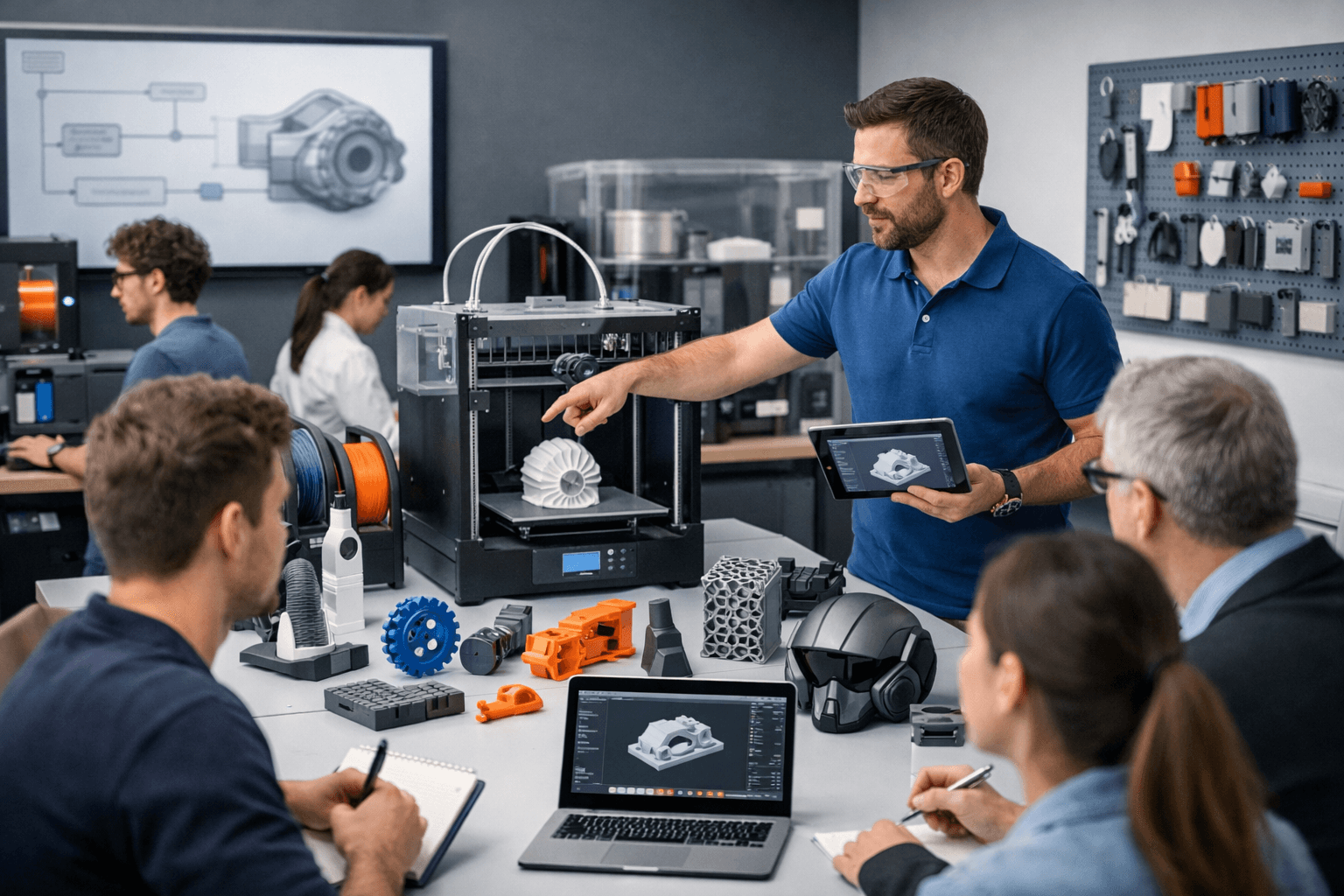
3D printing · Materials · Engineering
Materials and services for professional 3D printing.
Filaments, resins, components and technical support. From material selection to polymer or ceramic printing, 3D scanning and recycling.
EUshipping6service labsB2B/B2Csupport
ADIVO CUSTOMER HUB
Your purchases reward you.
Earn 1 point per euro. Every 10 points give you €1 off at checkout.
01 — SHOP
Everything to print better.
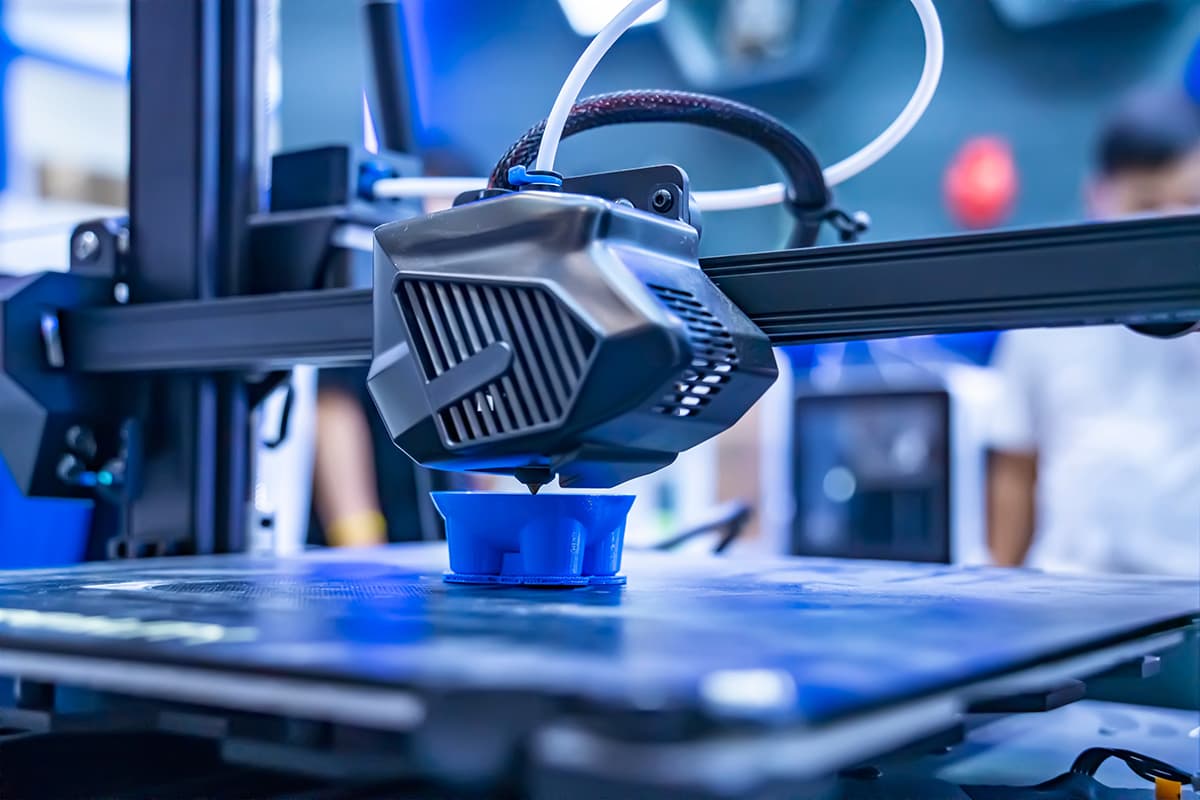
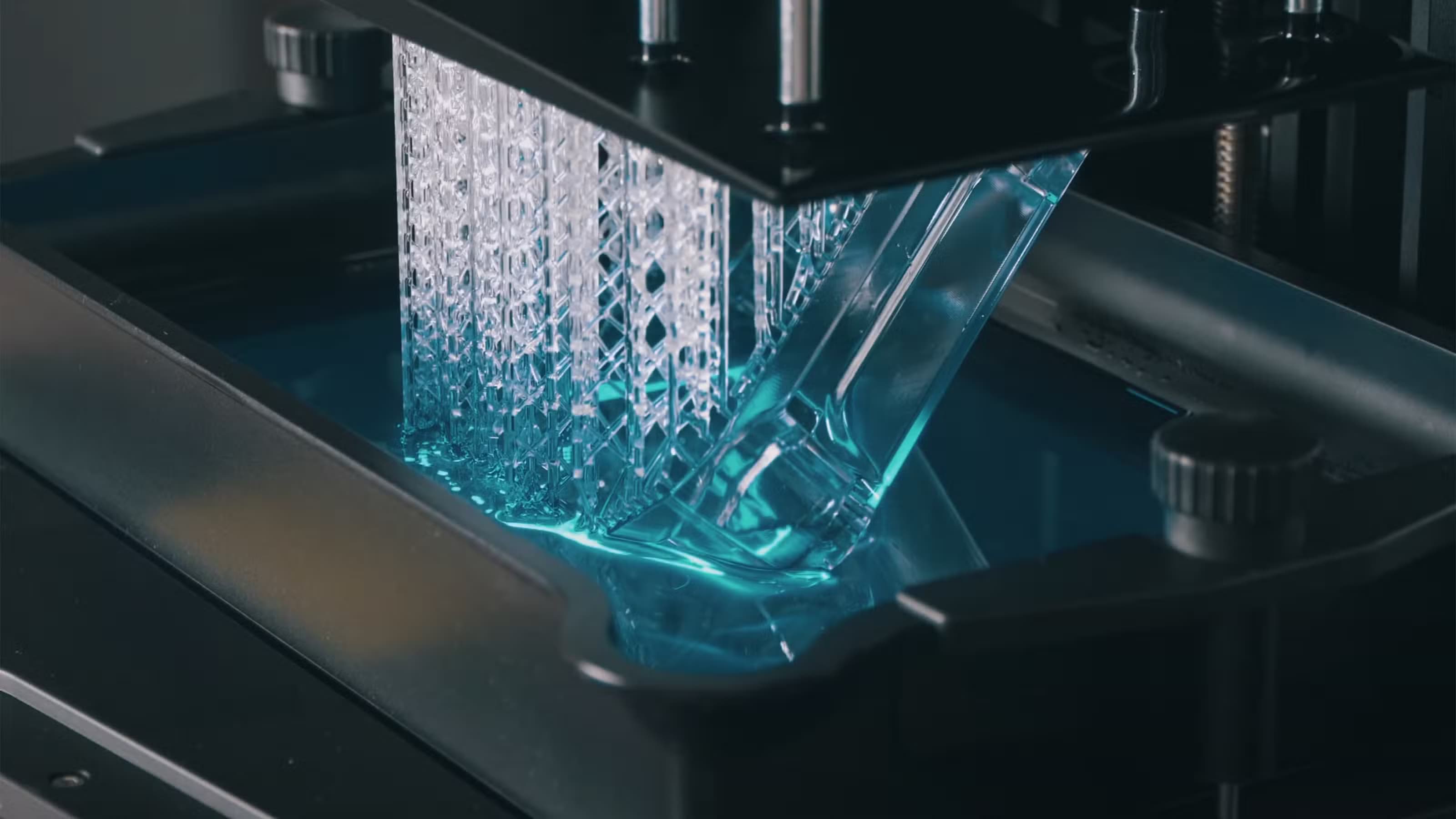
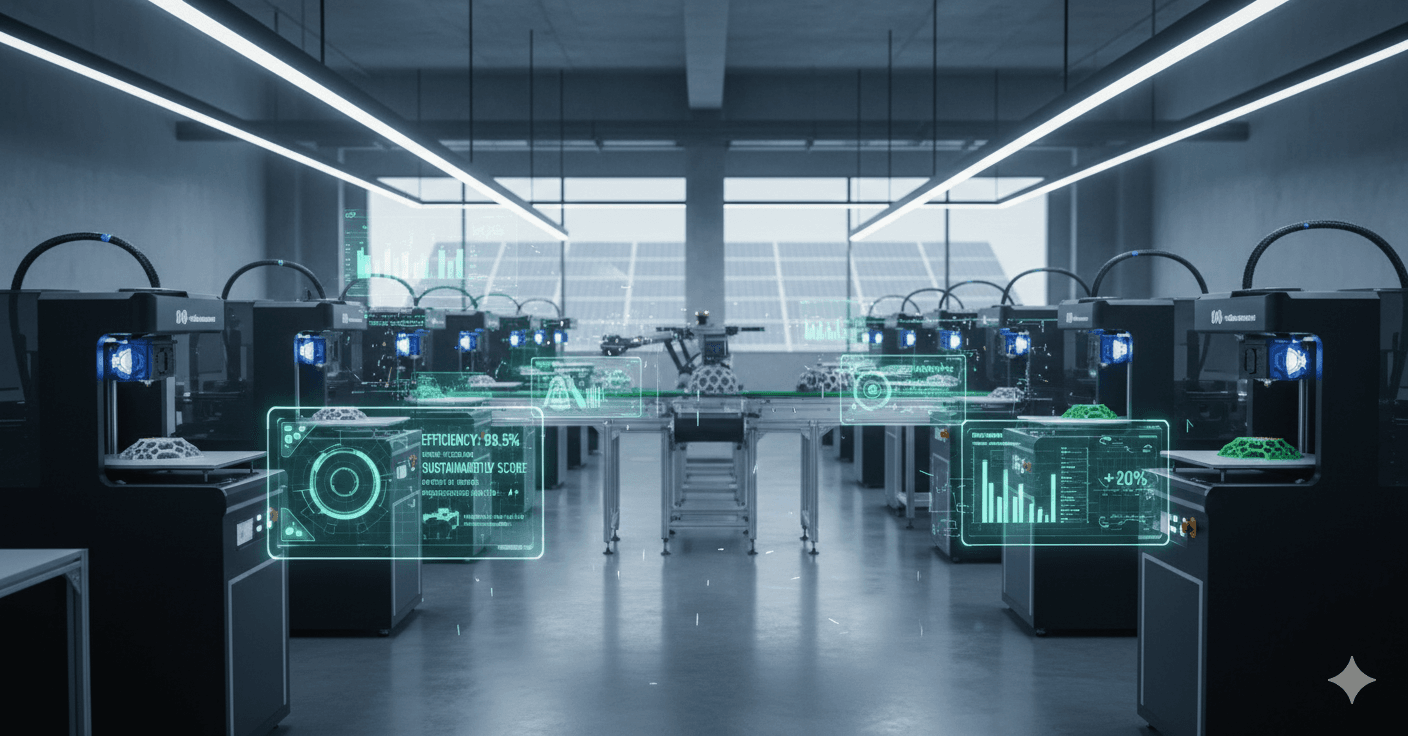
Three simple paths. Enter, choose, print.
02 — IN EVIDENZA
View allOffers first, then ADIVO favourites.
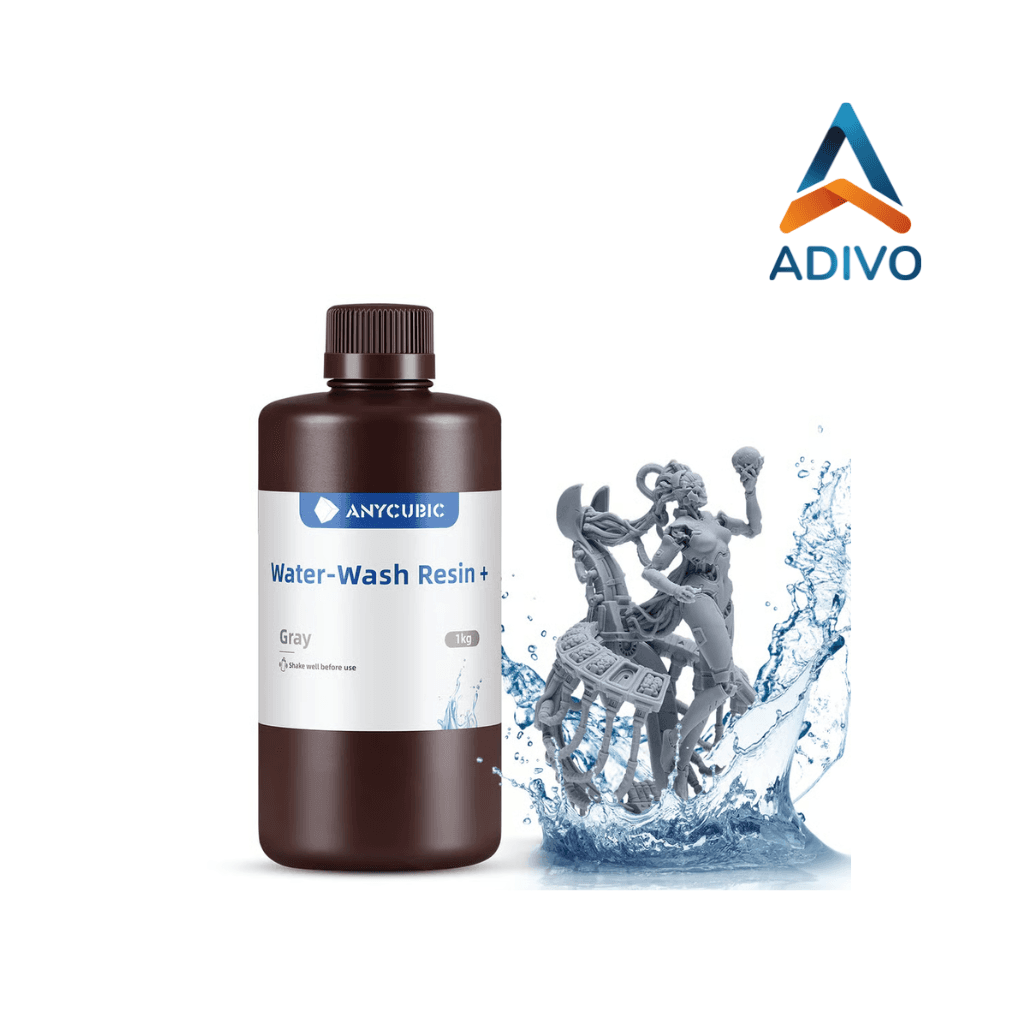
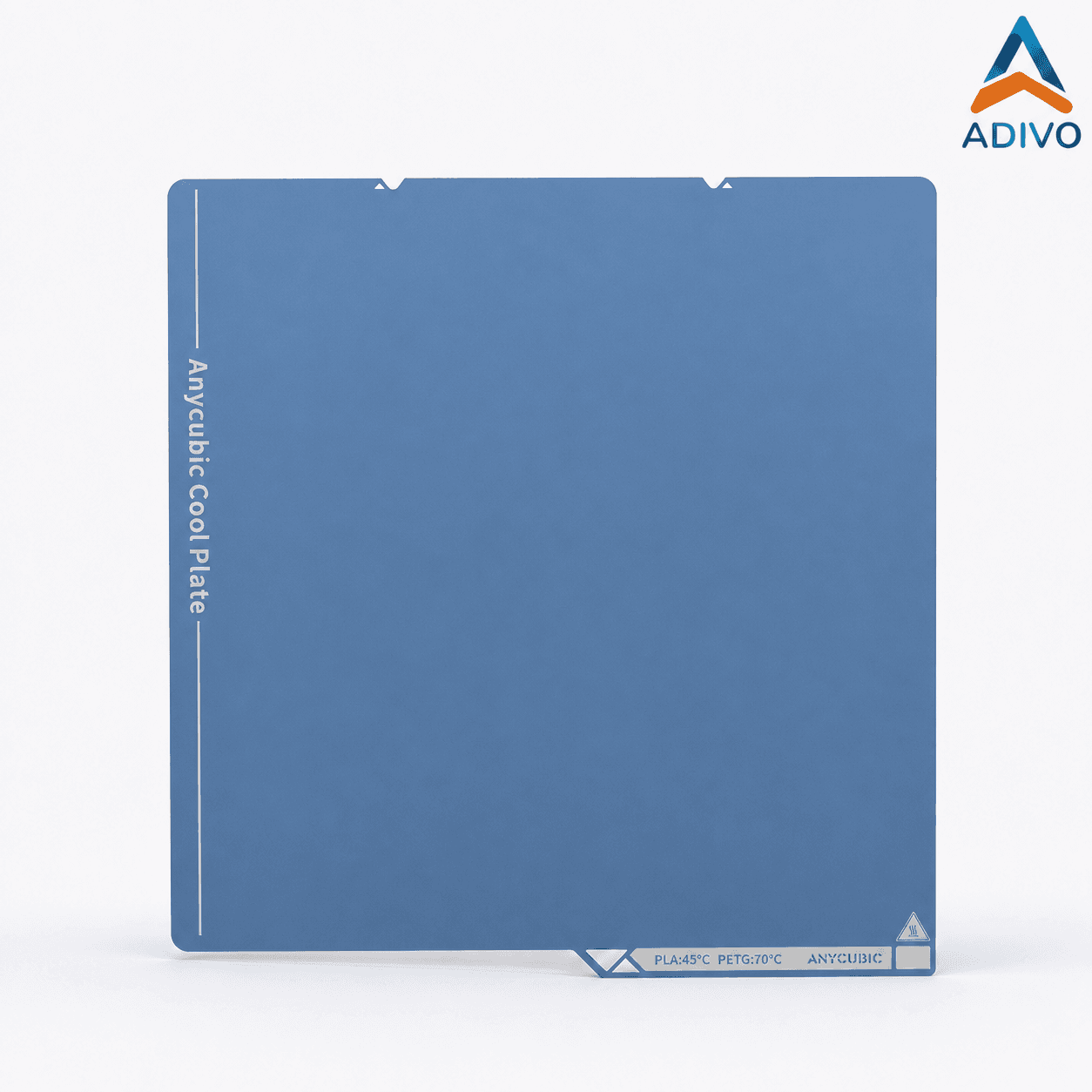
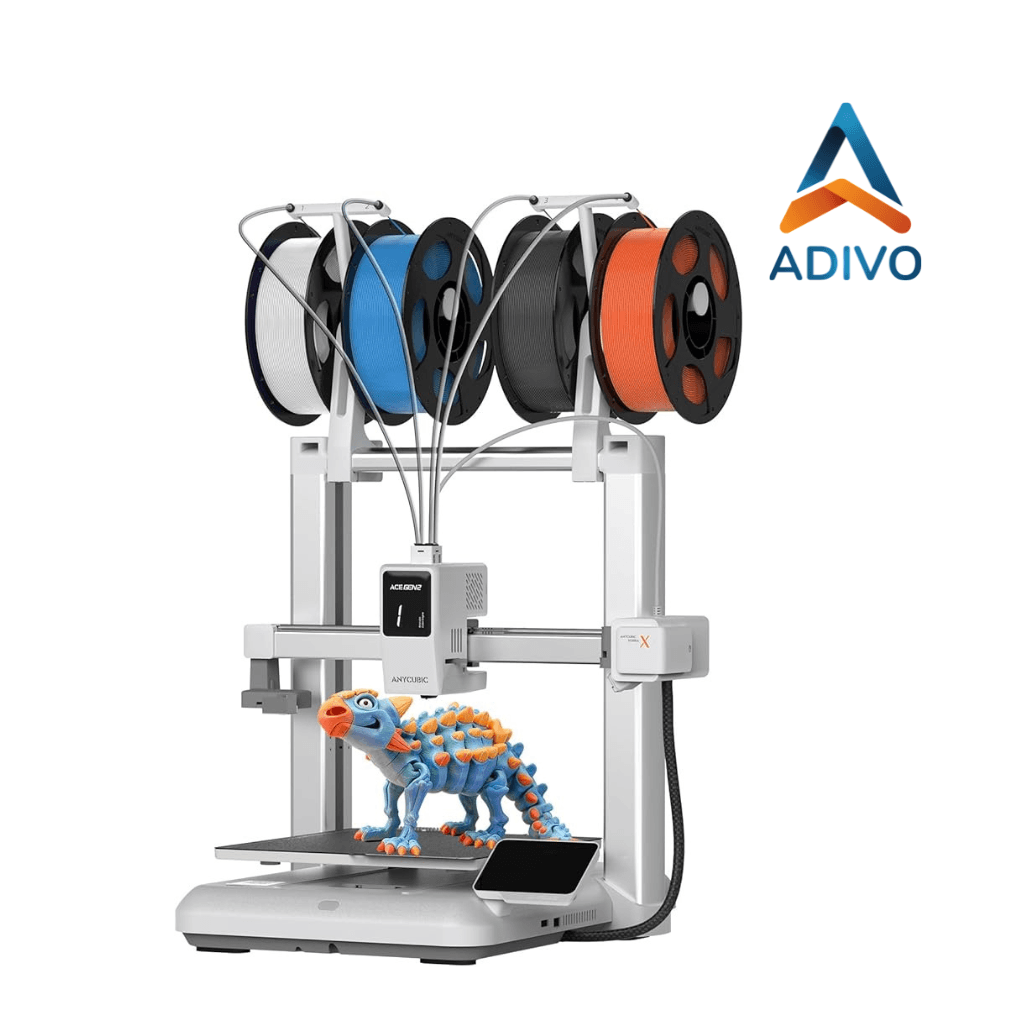
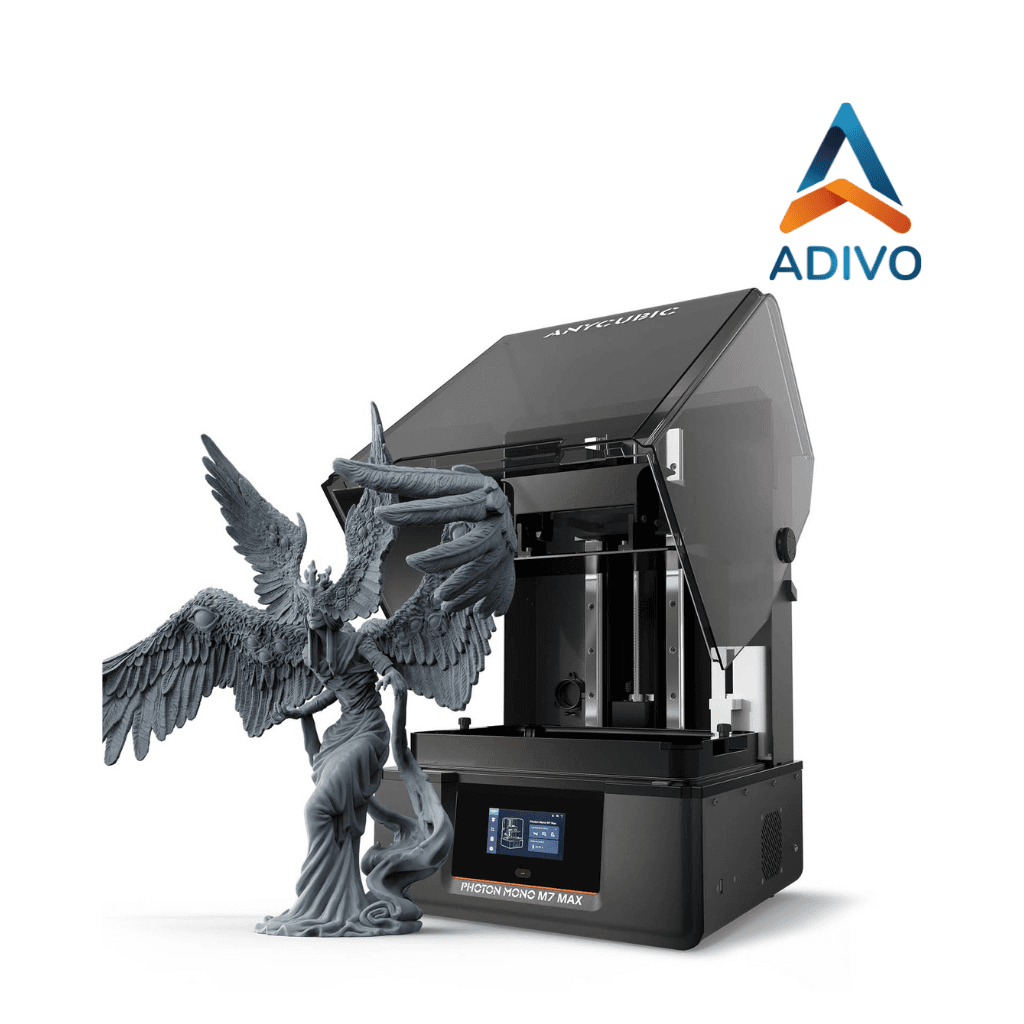
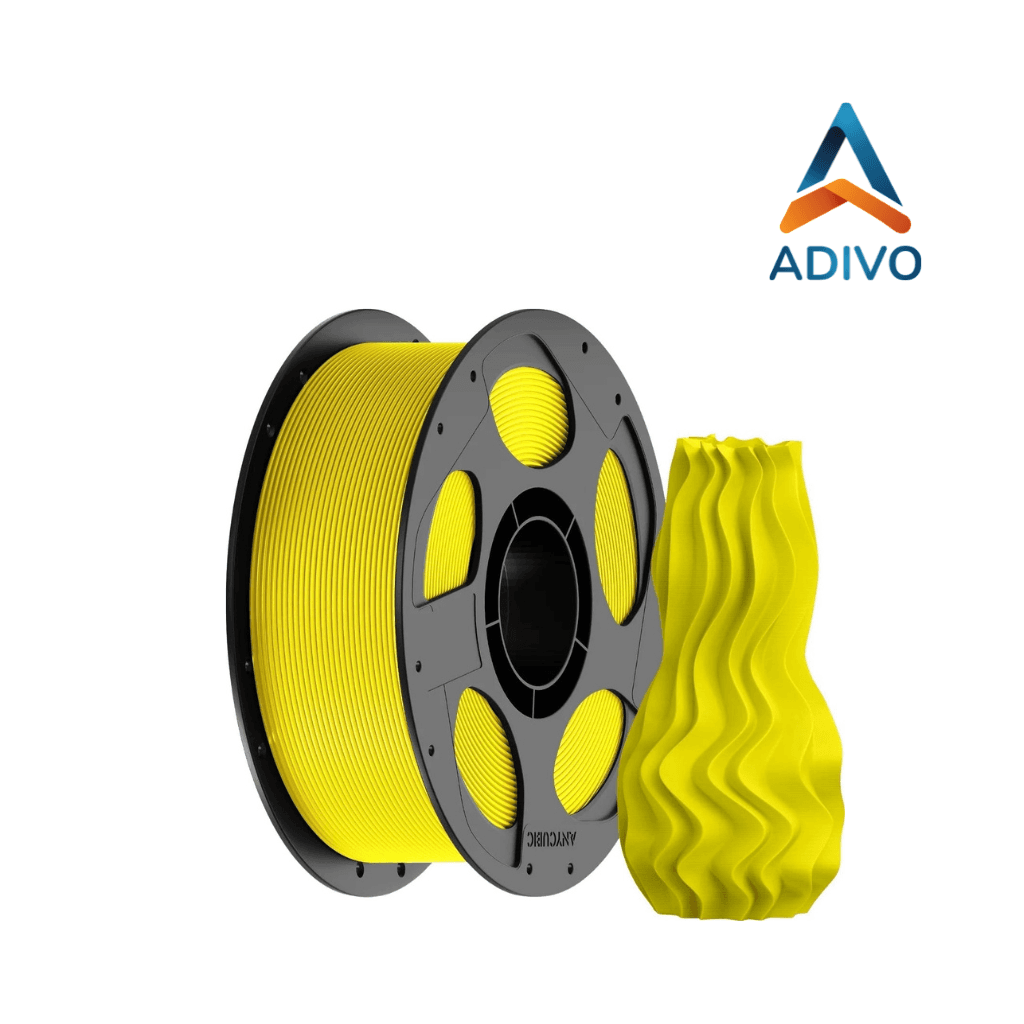
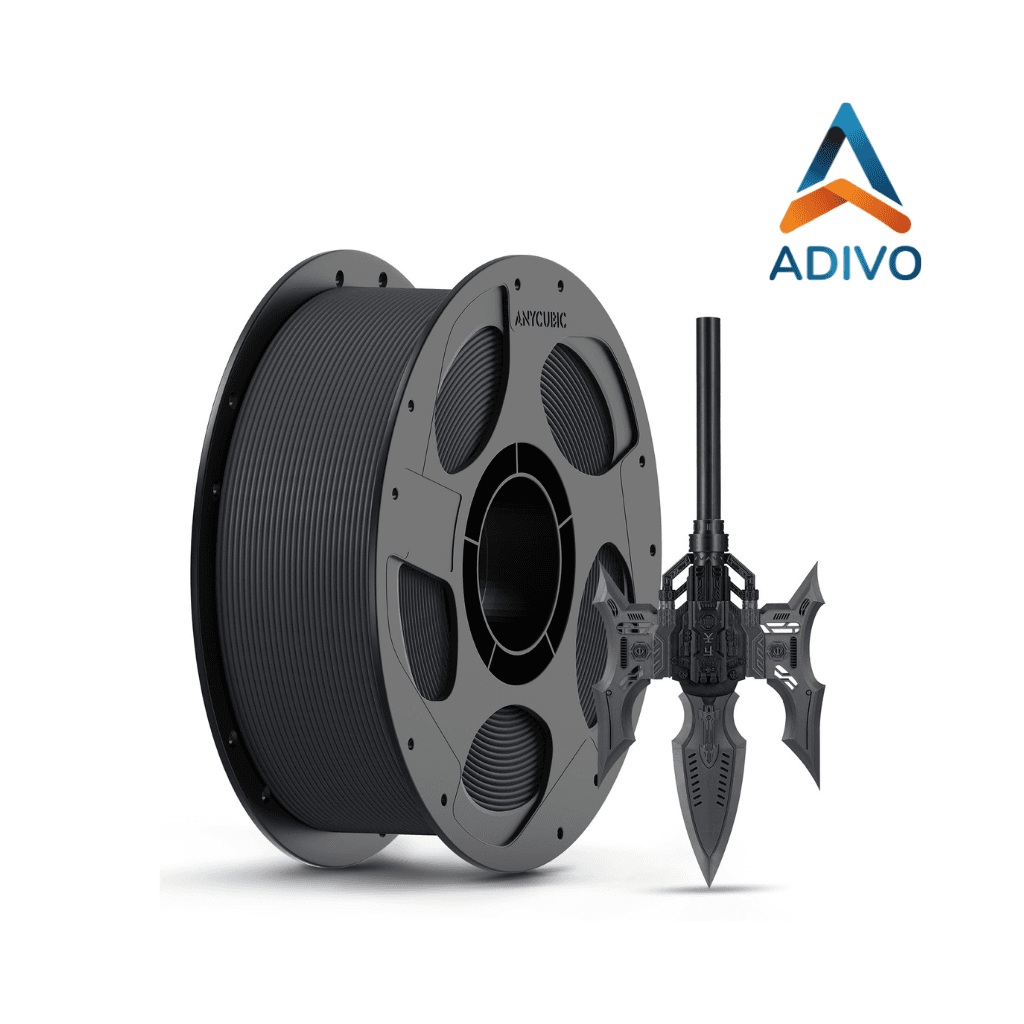
03 — ADIVO SERVICES
More than a shop.
Six capabilities. One technical partner.
NextGen 3D Manufacturing
DLP, FDM and ceramic 3D printing. From prototypes to short and medium runs, with integrated quality control.
Technical Care & Maintenance
Hardware and software maintenance, repairs, firmware updates and performance optimization.
Rapid Prototyping Lab
Fast iterations, design validation and mechanical testing to accelerate time-to-market.
3D Scanning Solutions
High-precision scanning, reverse engineering and CAD reconstruction of complex geometries.
Material Intelligence Lab
New materials, industrial processes, custom printers and IoT integration in production workflows.
Educational Lab
Training for companies, schools and professionals on additive technologies, materials and workflows.
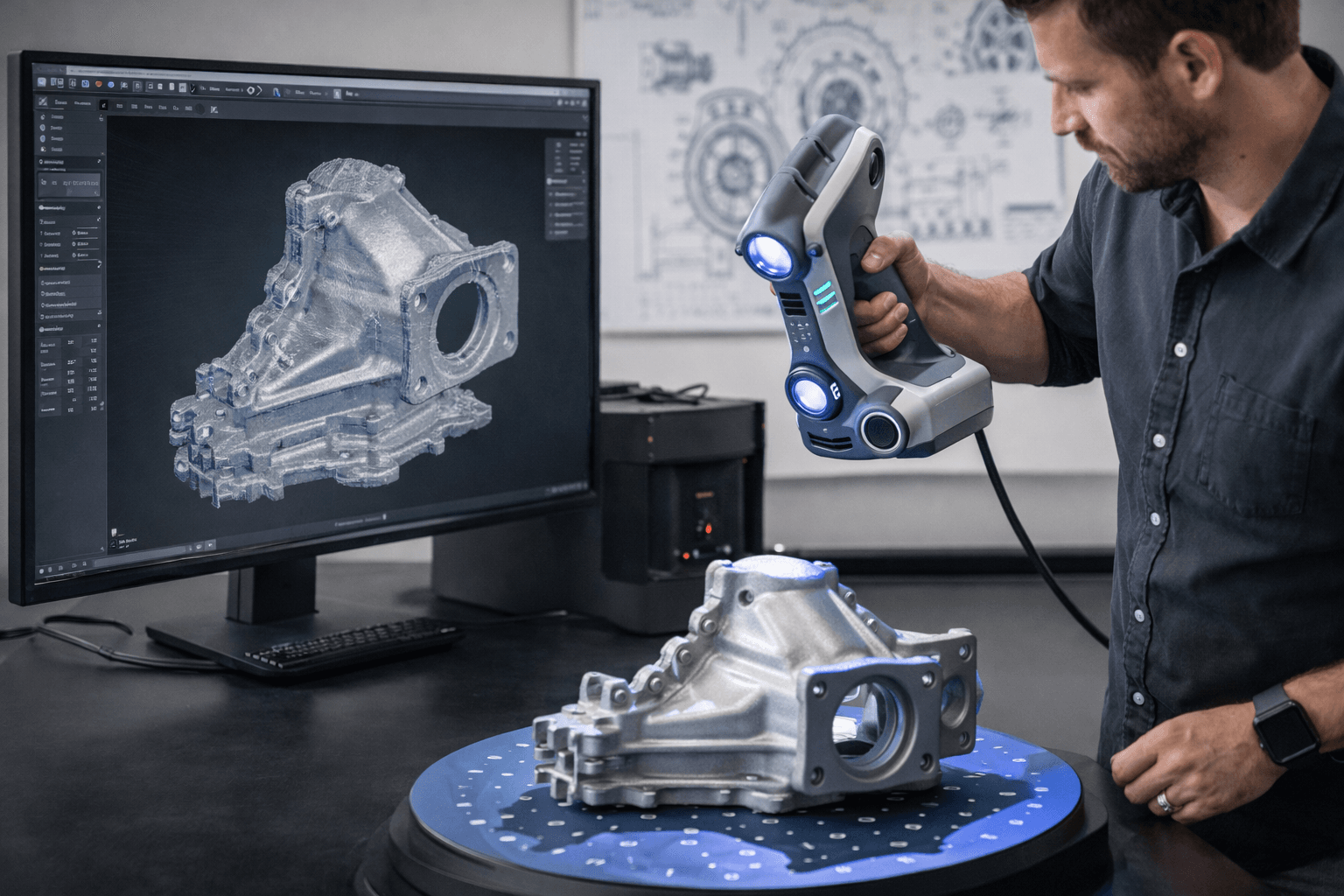 REVERSE ENGINEERING
DAL FISICO AL DIGITALE
Measure. Rebuild. Improve.
We capture complex geometries and create optimized CAD models for reproduction, modification and analysis.
All services
FANTASY FORGE · BY ADIVO
Discover our creative side.
Personalised miniatures, action figures and creatures: ADIVO technology becomes a world of stories, colour and unique pieces.
Enter Fantasy Forge04 — ADIVO
Research, production, expertise.
Founded in Salerno in 2024, ADIVO combines computer science, industrial engineering, materials and additive manufacturing.
Meet the team05 — GUIDE E RISORSE
Visit blogApplied knowledge.
GUIDA23.10.2026
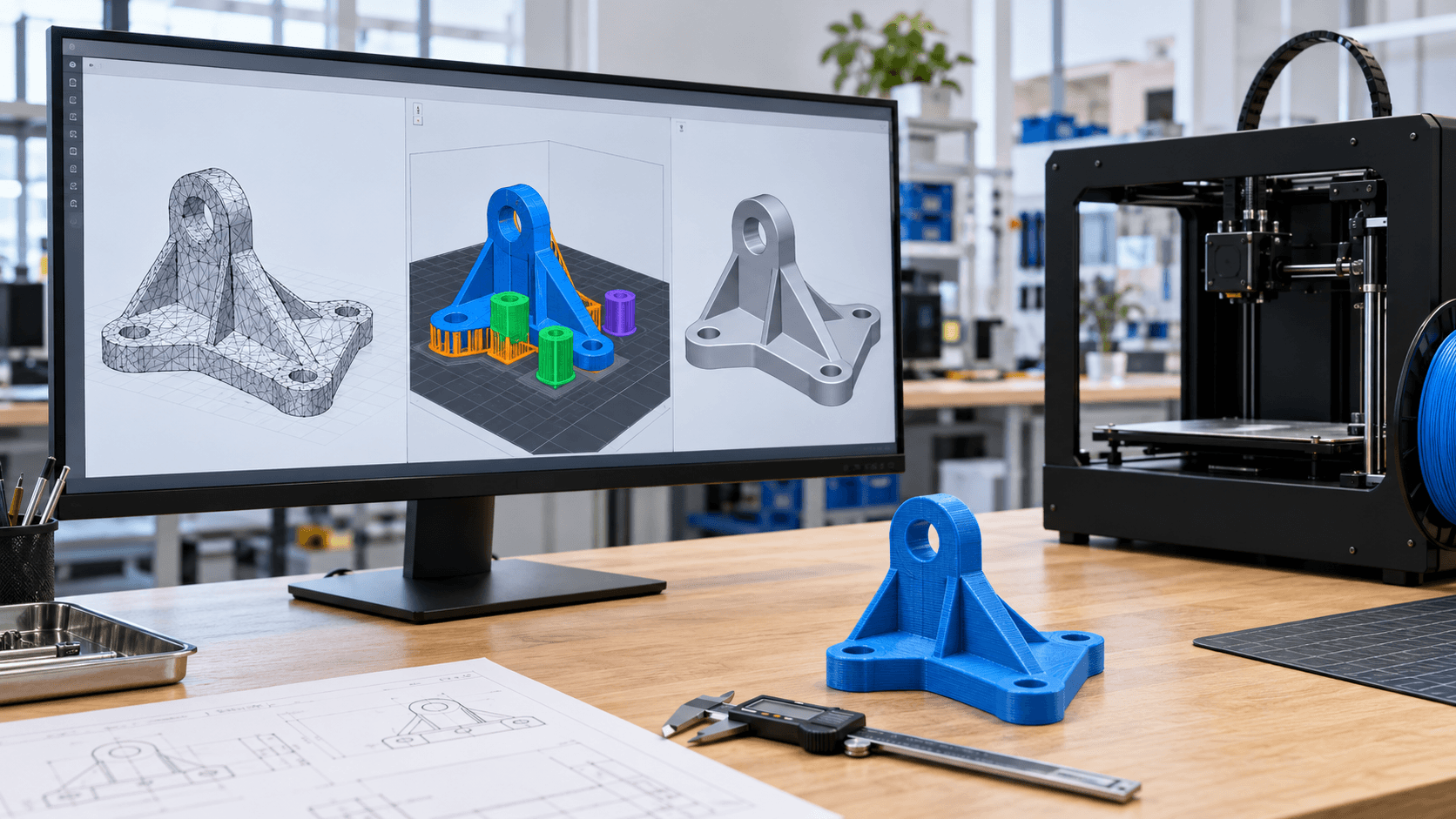
File STL per stampa 3D: controlli, errori e alternative 3MF e STEP
Un file STL può sembrare corretto e creare errori nello slicer. Scopri cosa controllare prima della stampa e quando preferire 3MF o STEP.
GUIDA12.10.2026
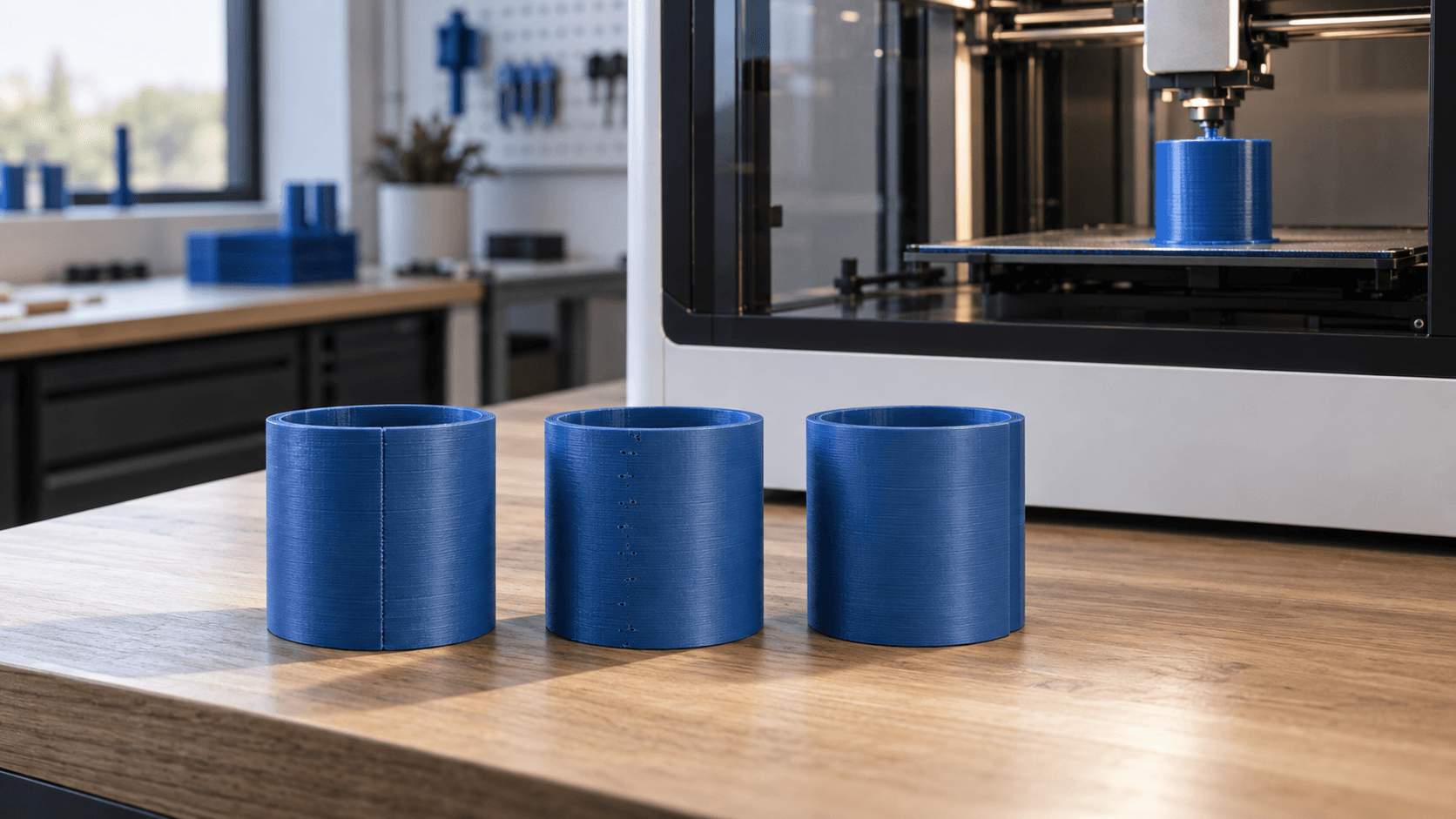
Z seam nella stampa 3D: come ridurre la cicatrice verticale
La linea verticale sul pezzo non è sempre un difetto casuale. Scopri come posizione della cucitura, flusso, retrazione e geometria cambiano il risultato.
GUIDA09.10.2026
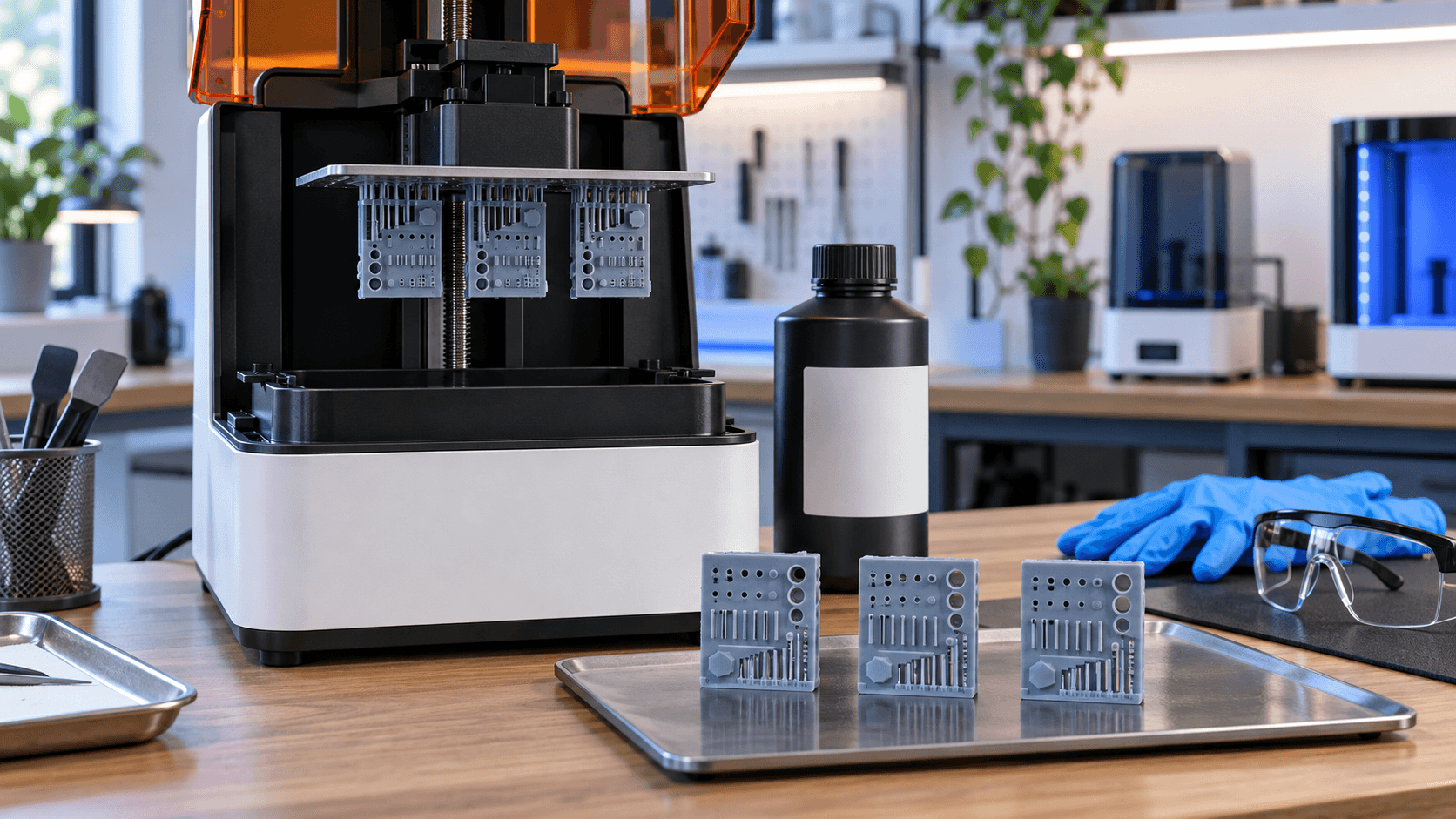
Esposizione nella stampa 3D a resina: calibrare dettaglio e precisione
Un tempo copiato da internet non basta. Impara a calibrare l'esposizione della resina distinguendo dettagli mancanti, fori chiusi e problemi di processo.